Patent Filing
The three easiest ways to file a patent
Patent filing gets significantly easier once you stop treating every invention the same way.
Most people searching how to file a patent expect one universal process. In reality, the easiest route depends on what you’re building, how quickly you’re moving and where you actually need protection.
A software startup preparing for fundraising has very different filing needs than a manufacturing company expanding into Europe. A solo inventor launching a consumer product has different priorities than an enterprise R&D team managing multiple inventions across markets.
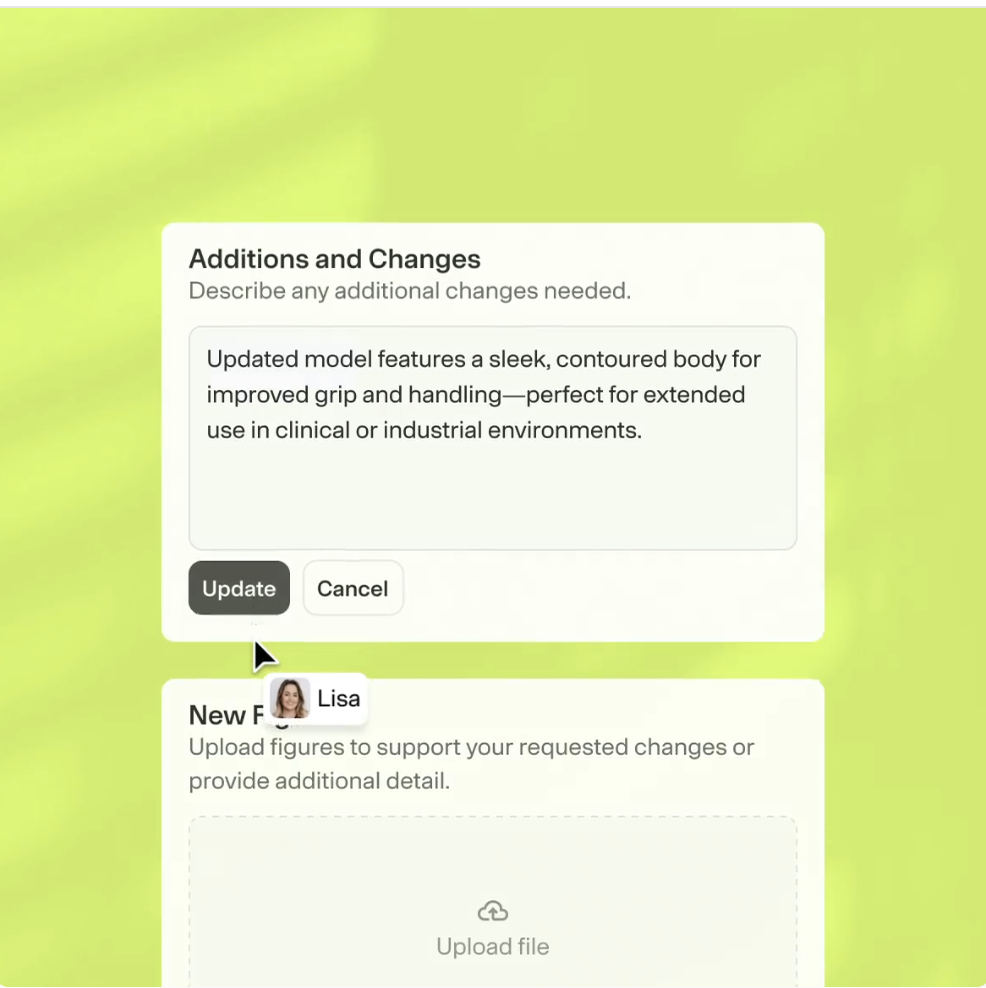
Understanding modern patent filing options
The mistake is assuming every patent application needs to start with an expensive, fully developed global strategy. Usually, it doesn’t.
The smartest filing strategies balance speed, cost, and commercial relevance. They avoid unnecessary complexity before the invention is even validated.
Here are three of the easiest and most practical ways to approach patent filing in 2026.

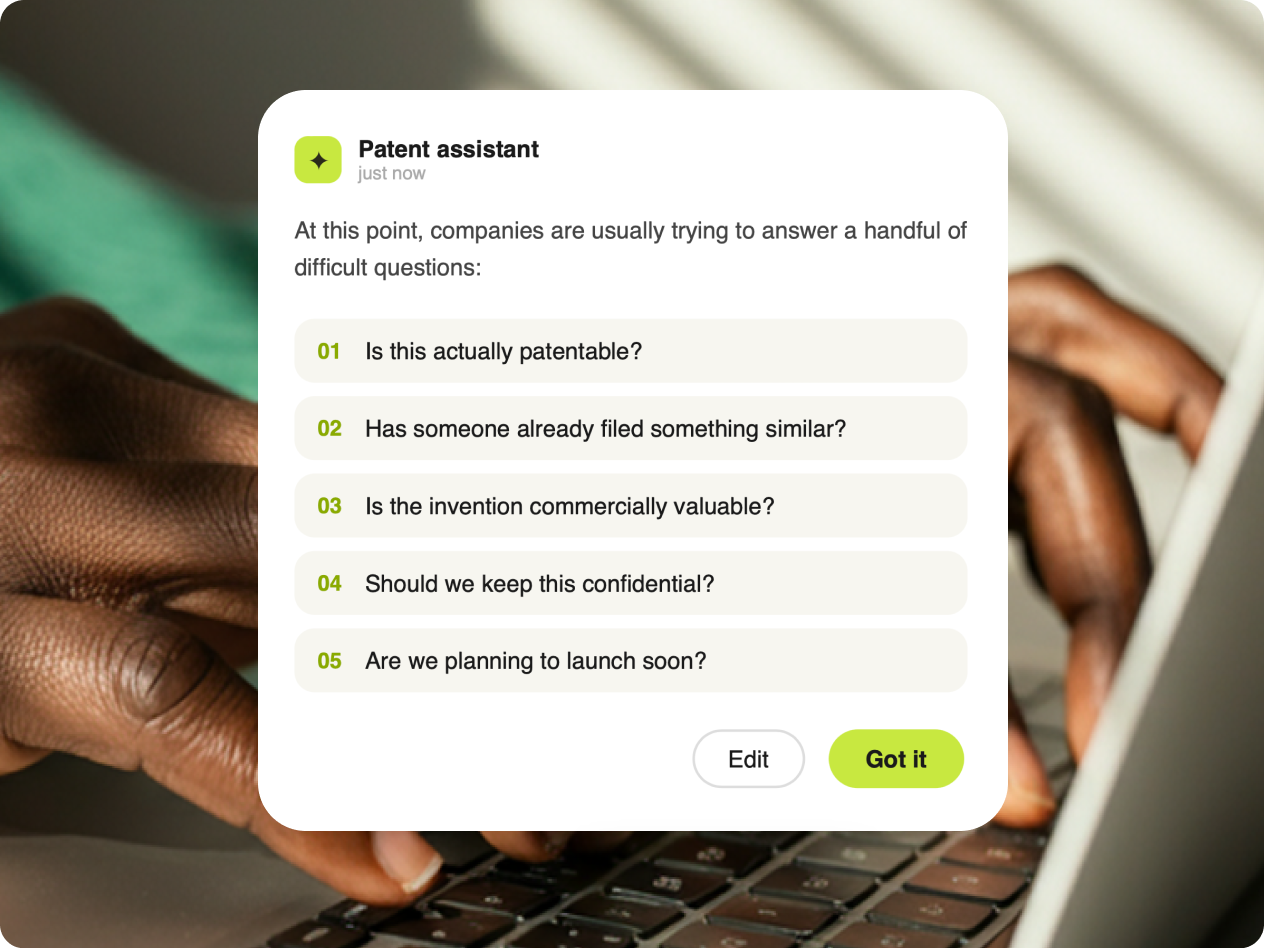
1. Start with a provisional patent application
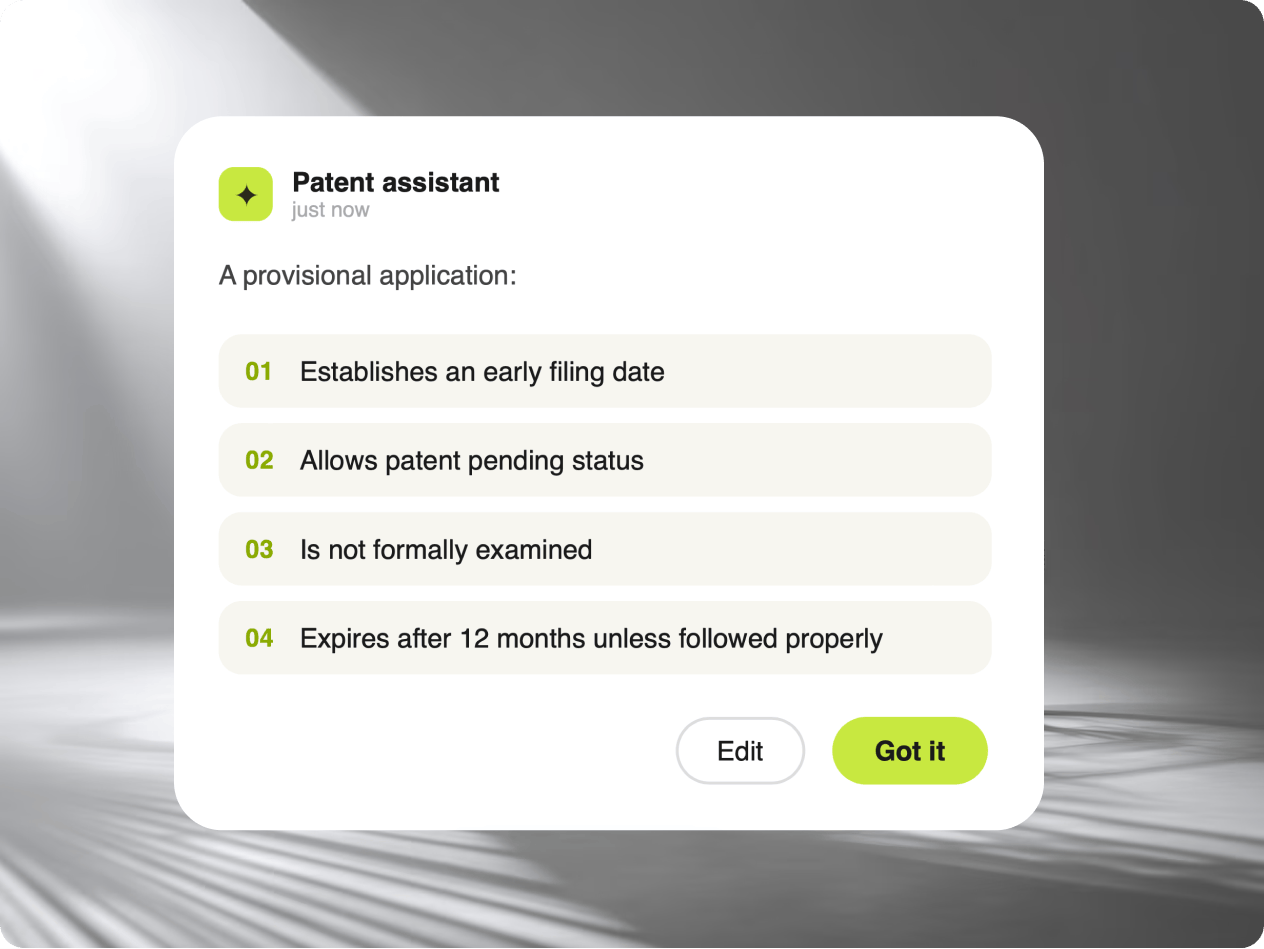
For many startups, the easiest entry point is a provisional patent application.
A provisional patent lets you secure an early filing date before committing to a full non-provisional patent application. In the US, it gives you 12 months to refine the invention, validate the market or raise funding before filing formally.
For companies still iterating on the product, learning how to file a provisional patent is often the smartest first step rather than jumping directly into a full utility patent.
That said, “temporary” does not mean “casual.” Weak provisional patent filings can create problems later if key technical details are missing.
2. File patent online
Today, most US patent applications are submitted through the USPTO Patent Center, while European patent applications are commonly filed through EPO online systems.
More importantly, digital filing systems reduce administrative mistakes that used to slow applications down significantly.
The actual filing formats still matter, though. Patent offices have strict requirements around claims, drawings, specifications and formatting structure.
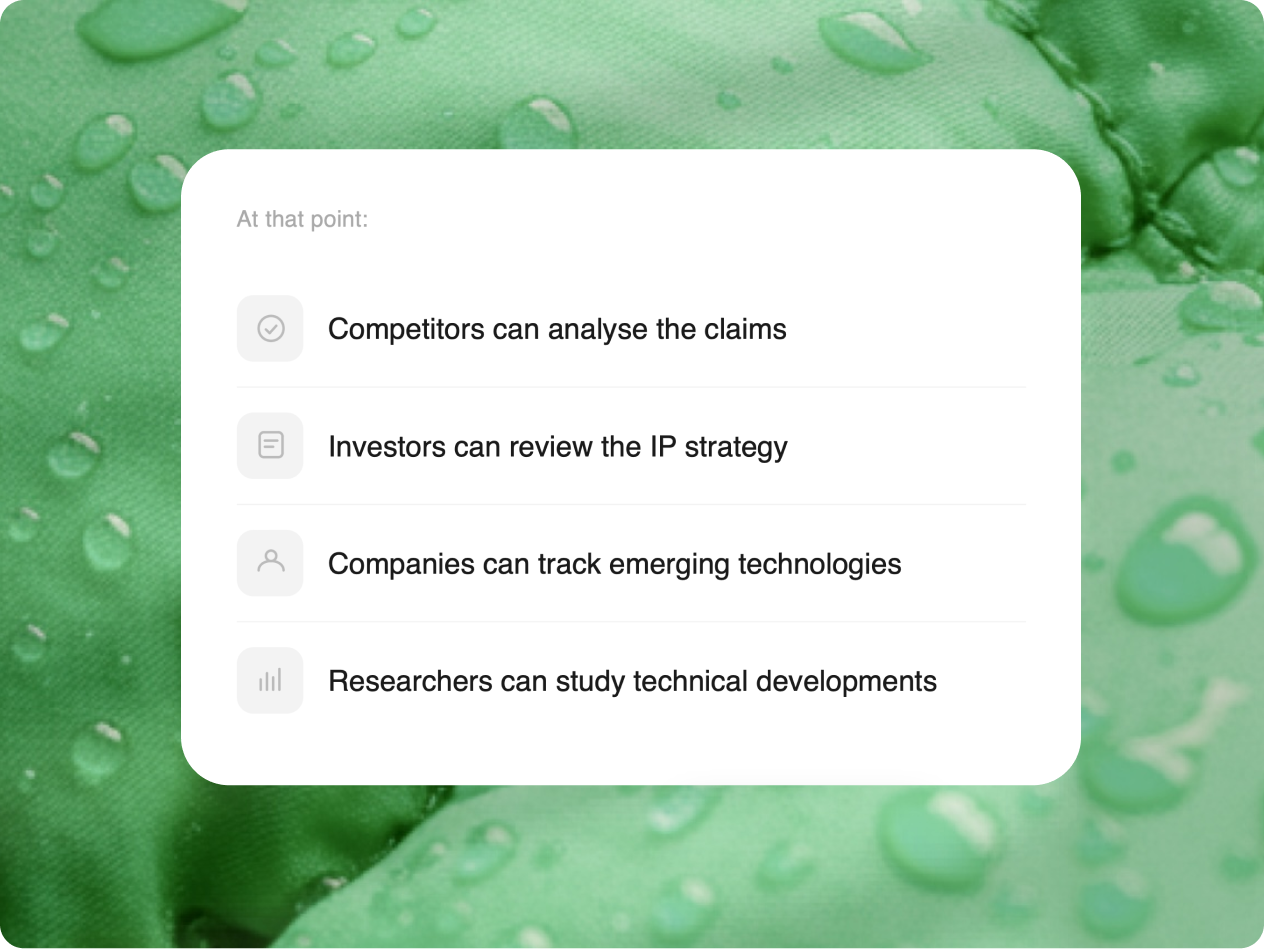
3. Break the process into stages
Filing doesn't have to happen all at once. Many applicants secure a provisional patent application first, then use the 12-month window to refine the invention before committing to a full non-provisional patent application.
This staged approach spreads out both cost and risk. It also buys time to validate the market or close a funding round before investing in the more detailed non-provisional filing.
The trade-off is that the provisional itself needs enough detail to support the claims made later. A rushed provisional can weaken the priority date it's meant to protect.

Common mistakes to avoid
Patterns emerge quickly when looking at unsuccessful patent applications.
Patterns emerge quickly when looking at unsuccessful patent applications.
Get a free strategy session
European vs US patent filing
The right jurisdiction depends on where your business, market, and competitors actually are.
US patent filing
European patent filing
Getting it right the first time
By the time you reach this stage, the process becomes less about understanding and more about execution. Two inventions with similar potential can have very different outcomes depending on how they're handled during the patent application process.
When the US route often makes sense
This is one of the most searched patent questions online because the difference is much larger than many people assume.
Provisional filing
PCT application
US national phase entry
European national phase entry (EPO)
Patent filing should support the business
TThe patent application process will probably never feel "simple," but it can absolutely become more strategic, more manageable, and significantly less painful.
Whether you’re preparing a US patent application, exploring European patent protection or deciding between provisional and non-provisional filing routes, the right structure early on saves enormous amounts of time later.
The companies that handle patents well understand that patent status is not just paperwork sitting in a folder somewhere. It’s active business infrastructure that needs ongoing visibility and management.
Trusted by founders.
Loved by engineers.
4.8 out of 5 stars G2 reviews
Need help deciding the smartest way to file?
.webp)